


Tooth sensitivity is that sudden, sharp twinge you feel when you sip a cold drink, bite into ice cream or breathe in cold air. For some people it is a mild annoyance; for others it makes eating and drinking genuinely uncomfortable. The good news is that tooth sensitivity almost always has an identifiable cause, and in most cases it can be relieved quickly and treated permanently.
Many people reach for painkillers first, but taking them regularly without a dentist’s advice is not a real solution. In this guide we explain the short-term remedies you can try at home, the most common causes of tooth sensitivity, why a filled tooth may ache and which professional treatments provide lasting relief.
How to Relieve Tooth Sensitivity at Home
While you wait for your dental appointment, the following methods may temporarily ease the discomfort:
- Use a desensitising toothpaste: toothpastes containing potassium nitrate or stannous fluoride block the tiny channels in the dentin; use them twice a day for at least two weeks for the full effect.
- Rinse with an antibacterial mouthwash to keep the area clean if the gums are also inflamed.
- Rinse with warm salt water to soothe irritated gums and reduce bacteria.
- Clean gently around the tooth with a soft brush and floss to remove trapped food.
- Apply clove oil sparingly on a cotton pad to the sensitive area; its natural compound eugenol has a mild numbing effect.
- Avoid triggers such as very cold, hot, sweet or acidic food and drink until the tooth is examined.
Remember that these home methods do not offer a permanent solution, and some of them, such as clove oil or garlic, can irritate the gums if used for a long time. For a lasting solution to tooth sensitivity, you should see your dentist as soon as possible.
What Causes Tooth Sensitivity?
To understand tooth sensitivity, it helps to know how a tooth is built. The outer layer, enamel, protects the tooth. Beneath it lies dentin, which contains thousands of microscopic tubules leading to the nerve. When enamel wears away or gums recede and expose the root, these tubules are uncovered, and hot, cold, sweet or acidic stimuli reach the nerve directly. This condition is known medically as dentin hypersensitivity.
The most common causes of tooth sensitivity are:
- Tooth decay: a cavity opens a direct path to the dentin and nerve.
- Brushing too hard: aggressive brushing wears enamel and pushes the gums back.
- Gum recession: exposed roots have no enamel protection and are very sensitive.
- Acidic food and drink: soft drinks, citrus and wine soften and erode enamel.
- Teeth grinding (bruxism): wears down enamel and can create tiny cracks.
- Cracked or chipped teeth: cracks let stimuli reach the inner tooth.
- Old or leaking fillings: gaps around worn fillings allow bacteria and temperature changes to reach the dentin.
- Recent dental treatment: whitening, cleaning, fillings or crowns can cause temporary sensitivity.
- Tooth damaged after a root canal: new decay in a previously treated tooth can cause discomfort in the surrounding tissues.
If you feel a twinge when breathing in cold air, a cavity or exposed root is often the reason. Even if the pain passes, it is always worth having the tooth checked, because many of these causes get worse over time.
Why Does a Filled Tooth Hurt?
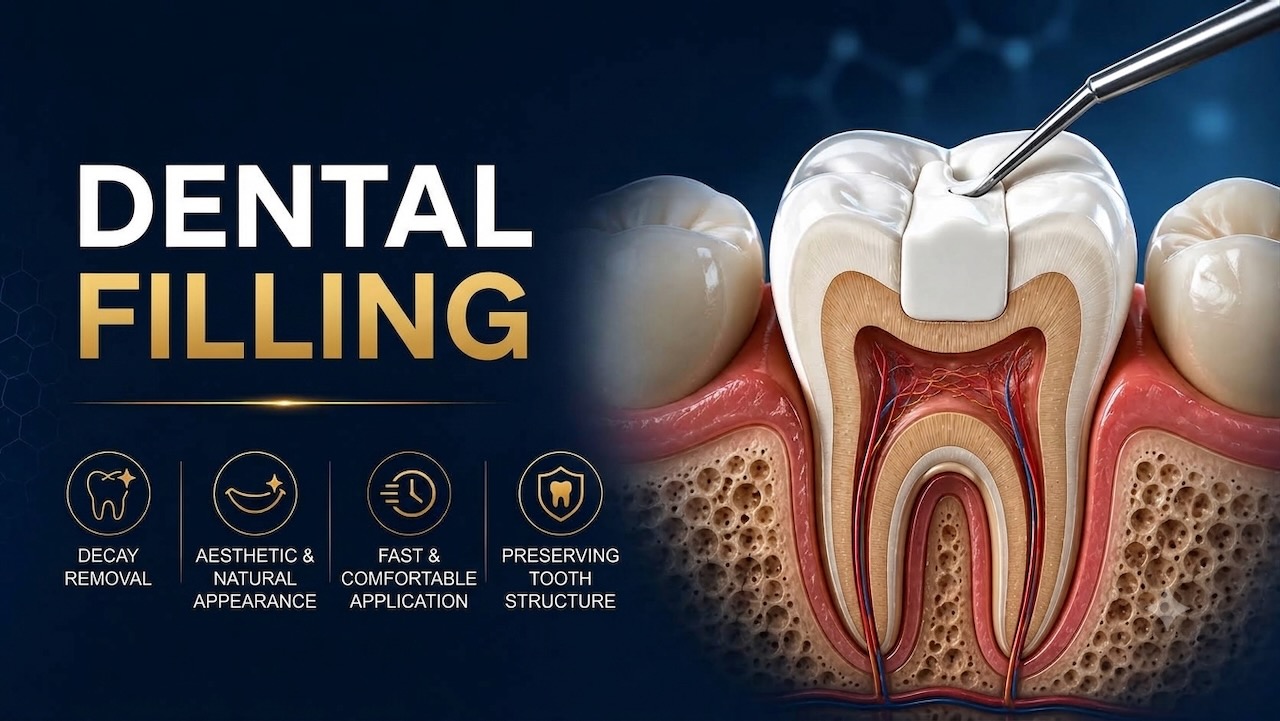
Sensitivity in a filled tooth is very common. It can happen when a filling is old and worn or no longer seals the tooth properly. If a filled tooth is not cared for well, decay can form again underneath or around the filling and progress. Sensitivity can also appear after drinking something hot or cold if the gums are sensitive.
A new filling may cause mild tooth sensitivity for a few days or weeks while the tooth settles, especially if the cavity was deep. This usually fades on its own. However, if the bite feels high, if pain is sharp when chewing or if sensitivity gets worse instead of better, the filling may need adjusting or the nerve may be inflamed. Rather than guessing, it is best to see a dentist and have the cause identified.
Cracked Tooth Syndrome
A small crack in a tooth is not always visible, even on X-rays, but it can cause sharp pain when you bite down or release the bite, and sensitivity to cold. Cracks often develop in teeth with large fillings or in people who grind their teeth or chew hard objects such as ice. If the crack is small, a crown can hold the tooth together and stop the pain. If the crack reaches the nerve, root canal treatment may be needed before the crown. Deep cracks that extend into the root can sometimes mean the tooth cannot be saved, which is why early diagnosis is so important.
Sensitivity in Special Situations
During Pregnancy
Hormonal changes during pregnancy make the gums more prone to inflammation and bleeding, and morning sickness exposes the teeth to stomach acid. Rinsing with water or a fluoride mouthwash after vomiting, rather than brushing immediately, protects the softened enamel. Dental check-ups and cleanings are safe during pregnancy and help prevent problems.
With Braces or Clear Aligners
Mild aching for a few days after braces are tightened or a new aligner is fitted is normal and is caused by pressure on the teeth rather than exposed dentin. However, braces also make cleaning harder, and plaque around the brackets can lead to decay and white spots, so extra care with interdental brushes is essential.
After Crowns, Veneers or Bonding
Some temporary sensitivity after crowns or veneers is common, especially if the tooth needed preparation. It usually settles within a few weeks. Persistent or increasing pain can mean the bite needs adjusting or the nerve has become inflamed, so let your dentist know.
After a Professional Cleaning
Removing tartar can uncover root surfaces that were previously covered, causing brief sensitivity. As the gums heal and tighten, and with a desensitising toothpaste, this usually disappears within a week or two.
Food, Drink and Sensitive Teeth
What you eat and drink has a direct effect on enamel. Acids soften enamel, and repeated exposure throughout the day gives it little time to recover. The following habits help protect sensitive teeth:
| Limit | Better choices |
| Soft drinks, sports and energy drinks | Water, milk, unsweetened tea |
| Citrus fruit and juices sipped over long periods | Whole fruit eaten with meals |
| Wine and cider | Drinking with food and rinsing with water afterwards |
| Sour sweets and frequent snacking | Cheese, nuts and vegetables between meals |
| Very hot or ice-cold drinks | Lukewarm drinks, or using a straw |
Dairy products such as cheese and milk contain calcium and phosphate that help neutralise acids and support enamel. Chewing sugar-free gum after meals stimulates saliva, the mouth’s natural defence against acid.
Sensitivity or Toothache: What Is the Difference?
Short, sharp pain that disappears within a few seconds after the trigger is removed is typical of tooth sensitivity. Pain that lingers for minutes, throbs, wakes you up at night or appears without any trigger is more likely a sign of an inflamed or infected nerve. Swelling, a bad taste or pain when biting can indicate an abscess. These symptoms need prompt attention, often with root canal treatment, and should never be ignored.
How Is Tooth Sensitivity Treated?
To treat tooth sensitivity, the dentist first needs to find its source. Once the cause has been identified, one of the following treatments will be used:
- Dental filling: repairs decay or replaces an old, leaking filling. See our dental filling page.
- Desensitising treatment: fluoride varnish, bonding agents or special gels are applied to seal exposed dentin.
- Pulp capping: a protective material is placed over a nerve that is close to the surface to help it recover.
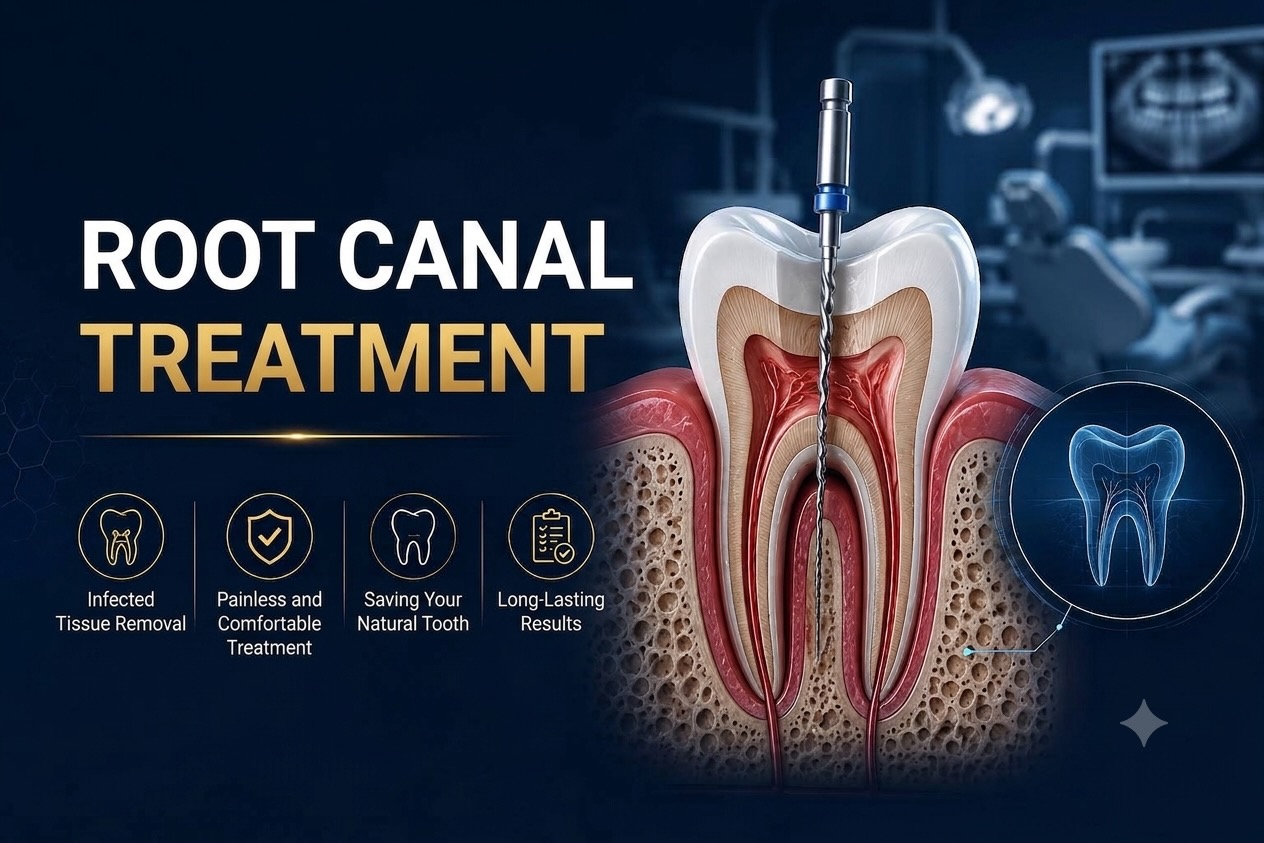
- Root canal treatment: when the nerve is irreversibly inflamed or infected. Read our guide to root canal treatment in Turkey.
- Apicoectomy: minor surgery to treat infection at the root tip when a root canal alone is not enough.
- Gum graft: covers exposed roots caused by recession.
- Night guard: protects teeth from grinding.
- Extraction: only as a last resort when the tooth cannot be saved.
Desensitising Treatments in the Clinic
For tooth sensitivity caused by exposed dentin, in-office desensitising treatments often give immediate relief. The dentist applies a fluoride varnish or a resin sealant to the sensitive areas, which blocks the dentin tubules. The procedure is quick and painless, and the effect can last for several months. In more severe cases, a thin layer of composite bonding can be placed over the exposed root surface for longer-lasting protection.
Treating Gum Recession
When receding gums are behind tooth sensitivity, the underlying cause must be addressed first, whether it is aggressive brushing, gum disease or grinding. For significant recession, a gum graft can cover the exposed root, reduce sensitivity and protect the tooth from decay. Healthy gums are essential, so if you also notice bleeding, read our guide to the causes of bleeding gums.
Tooth Sensitivity After Whitening
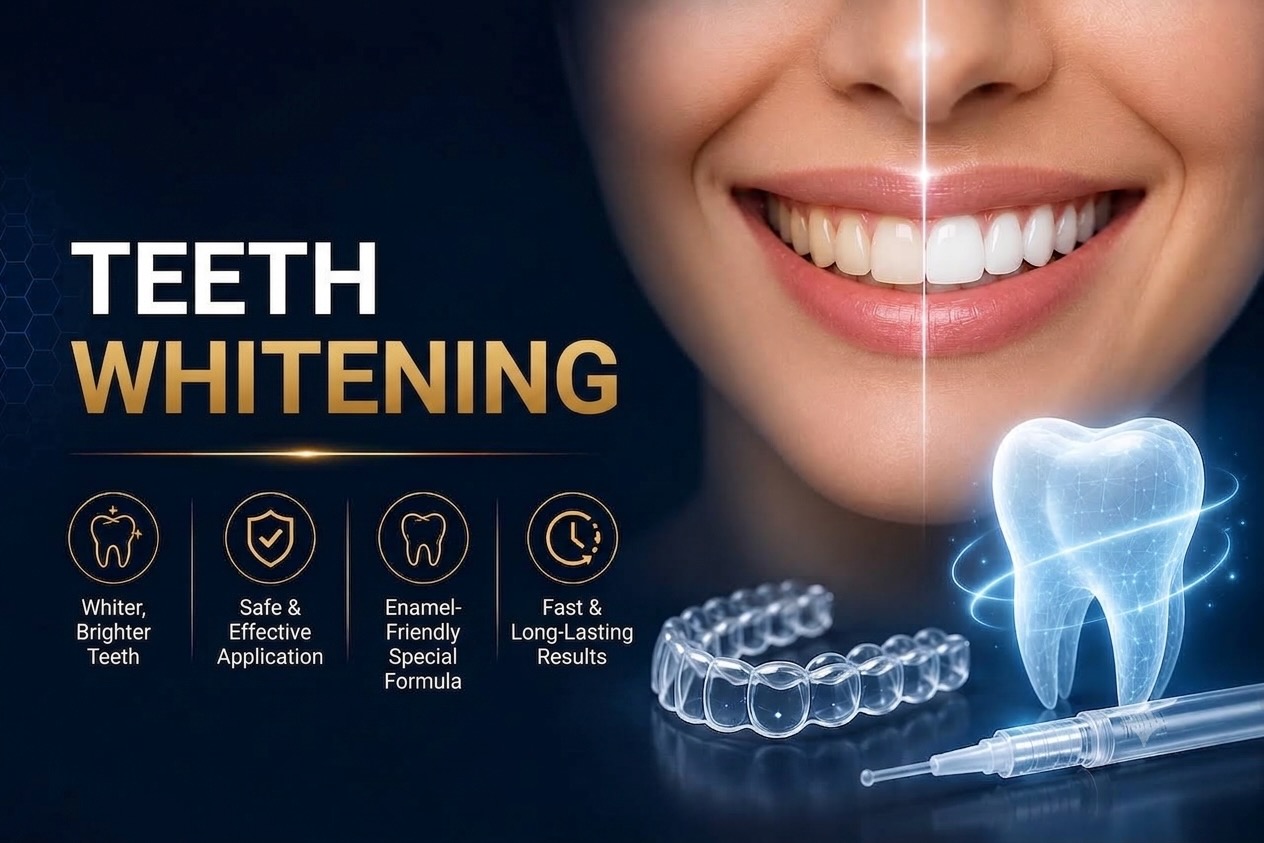
Teeth whitening is one of the most common causes of temporary tooth sensitivity. The whitening gel passes through the enamel to break down stains, which can briefly irritate the nerve. Sensitivity usually lasts 24 to 48 hours and disappears completely. Using a desensitising toothpaste for two weeks before and after whitening, choosing a professional treatment with controlled gel strength and avoiding very cold or hot drinks for a few days can greatly reduce discomfort.
When Should You See a Dentist Urgently?
Most tooth sensitivity can wait for a routine appointment, but some symptoms need prompt attention. Contact a dentist as soon as possible if you have:
- Pain that lasts longer than a few seconds after hot or cold, or throbs on its own.
- Pain that wakes you up at night or is not controlled by normal painkillers.
- Swelling of the gum, face or jaw, or a bad taste in the mouth.
- Fever together with dental pain.
- A tooth that has broken or cracked after an injury.
These signs can indicate an infection or an inflamed nerve, which will not heal on its own and can spread if left untreated. Early treatment is simpler, more comfortable and less expensive.
What Happens at Your Appointment?
Your dentist will ask when the sensitivity occurs, what triggers it and how long it lasts. They will examine your teeth and gums, check existing fillings, look for cracks and signs of grinding and test how individual teeth respond to cold or gentle tapping. X-rays can reveal decay between the teeth, problems under fillings and infection at the root tips. Once the cause of your tooth sensitivity is clear, the dentist will explain your options and, in many cases, can provide relief in the same visit, for example with a desensitising varnish or a new filling. More complex treatments such as root canals or gum grafts are planned step by step.
How to Prevent Tooth Sensitivity
- Brush gently with a soft brush and use small circular movements rather than hard scrubbing.
- Use fluoride toothpaste to strengthen enamel, and consider a desensitising formula if you are prone to sensitivity.
- Limit acidic food and drink, and rinse with water afterwards. Wait at least 30 minutes before brushing after acidic drinks, as softened enamel wears more easily.
- Wear a night guard if you grind or clench your teeth.
- Floss daily to keep gums healthy and prevent recession.
- Have regular check-ups so decay, worn fillings and gum problems are treated early.
Preventing tooth sensitivity is mostly about protecting enamel and gums. Small daily habits make a big difference over time.
If you are visiting Istanbul for other dental treatment, such as veneers, crowns or implants, mention any sensitivity during your consultation. Treating the cause first, whether it is a leaking filling, gum recession or grinding, makes cosmetic results more comfortable and longer lasting, and it can usually be done during the same trip without adding extra days to your stay.
Common Myths About Sensitive Teeth
- “Sensitive teeth are just something you are born with.” While some people have thinner enamel, most sensitivity develops because of wear, recession, decay or grinding, and these causes can be treated.
- “Harder brushing keeps teeth cleaner.” Scrubbing with a hard brush is one of the main causes of worn enamel and receding gums. Gentle brushing with a soft brush is more effective and safer.
- “Whitening always damages teeth.” Professional whitening under a dentist’s supervision is safe. Temporary sensitivity is common, but it does not mean the enamel has been harmed.
- “If the pain goes away, the problem has gone.” A cavity or crack can stop hurting for a while and then return as a much more serious problem. Sensitivity is a warning sign worth investigating.
- “Sensitivity toothpaste works immediately.” Most formulas need regular use for about two weeks before you notice a clear improvement.
Living Comfortably With Sensitive Teeth
For many people, tooth sensitivity can be managed very successfully with a combination of the right toothpaste, a gentle brushing technique, sensible eating habits and regular professional care. If you have had sensitivity for a long time, you may have unconsciously started avoiding cold drinks, ice cream or certain foods. Once the cause is treated, most patients are delighted to find they can enjoy these again without worry.
Keep in mind that your teeth change over the years. Enamel naturally wears, gums may recede slightly with age and old fillings eventually need replacing. Regular check-ups every six months allow your dentist to spot these changes early and treat tooth sensitivity before it becomes a daily problem.
Frequently Asked Questions About Tooth Sensitivity
How long does tooth sensitivity last?
Sensitivity after whitening or a new filling usually disappears within a few days to a few weeks. Sensitivity from decay, worn enamel or exposed roots will not go away until the cause is treated.
Does sensitive toothpaste really work?
Yes, for mild sensitivity caused by exposed dentin. It needs to be used twice a day for at least two weeks, and it works best alongside gentle brushing.
Why does my tooth hurt when I breathe in cold air?
This usually means dentin is exposed, either through a cavity, a worn filling or gum recession. A dentist can identify and treat the cause.
Can tooth sensitivity mean I need a root canal?
Brief sensitivity usually does not. Pain that lingers, throbs, wakes you at night or comes with swelling can indicate an inflamed or infected nerve that needs root canal treatment.
Is tooth sensitivity after a filling normal?
Mild sensitivity for a few days is normal. If it gets worse, lasts more than a few weeks or hurts when biting, see your dentist.
Conclusion
Tooth sensitivity is common, but it is not something you have to live with. Home remedies can ease the pain for a short time, while the real solution is to find and treat the cause, whether it is decay, a worn filling, gum recession or grinding. At our clinic in Başakşehir, Istanbul, we identify every problem behind tooth sensitivity and treat you in a comfortable environment. Contact us through our contact page to book an examination.