

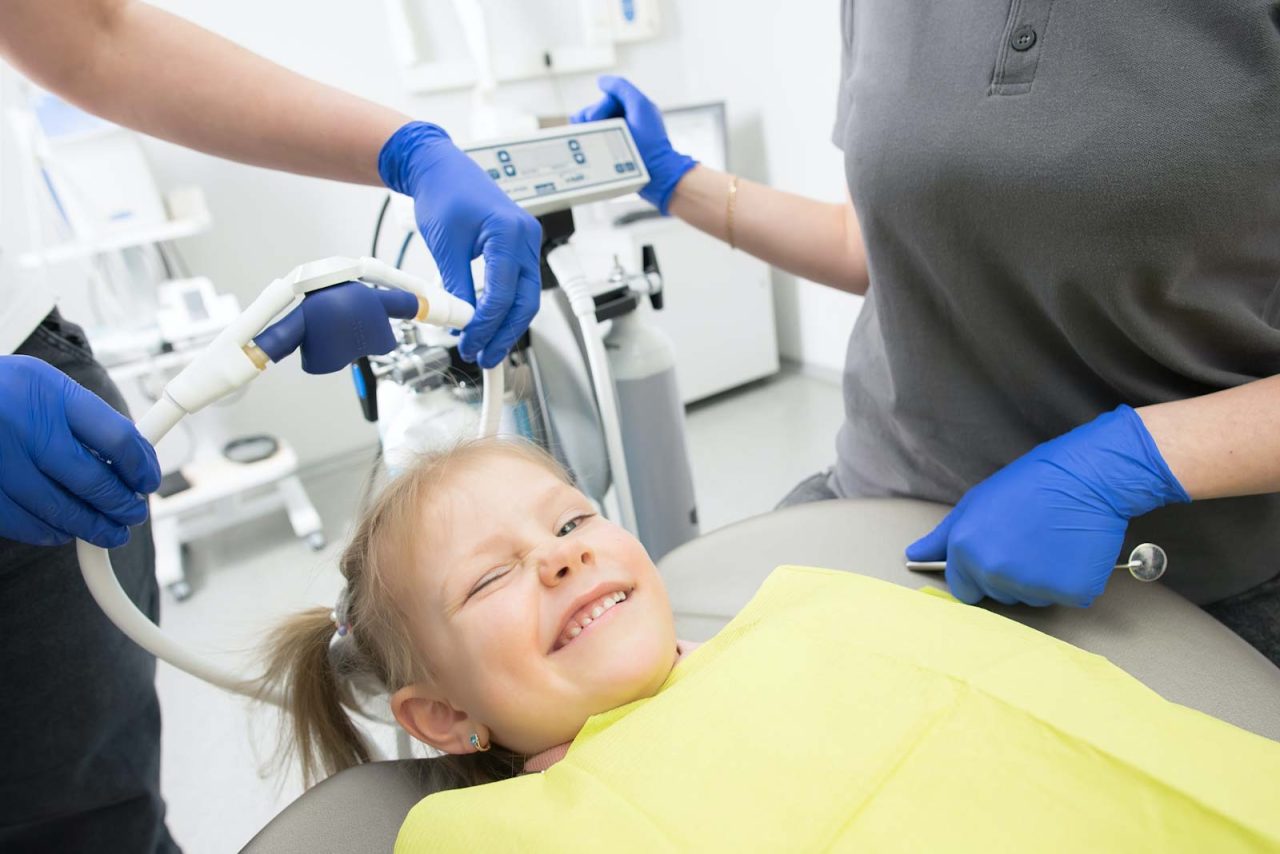
Oral care is important for everyone, but it needs extra attention in babies and young children. Good oral care for children from an early age prevents decay and tooth loss later in life, and the habits children learn in their first years usually stay with them for good. Brushing and regular cleaning of the teeth and mouth should become a habit from infancy, and parents play the key role in teaching children how and why to look after their teeth.
In this guide we explain oral care for children age by age, from the first tooth to the teenage years, including the right brushing technique, how much toothpaste to use, healthy eating habits, when to visit the dentist and how to prevent the most common problems. The advice follows international paediatric dental guidelines and applies to families in the United States, the United Kingdom and around the world.
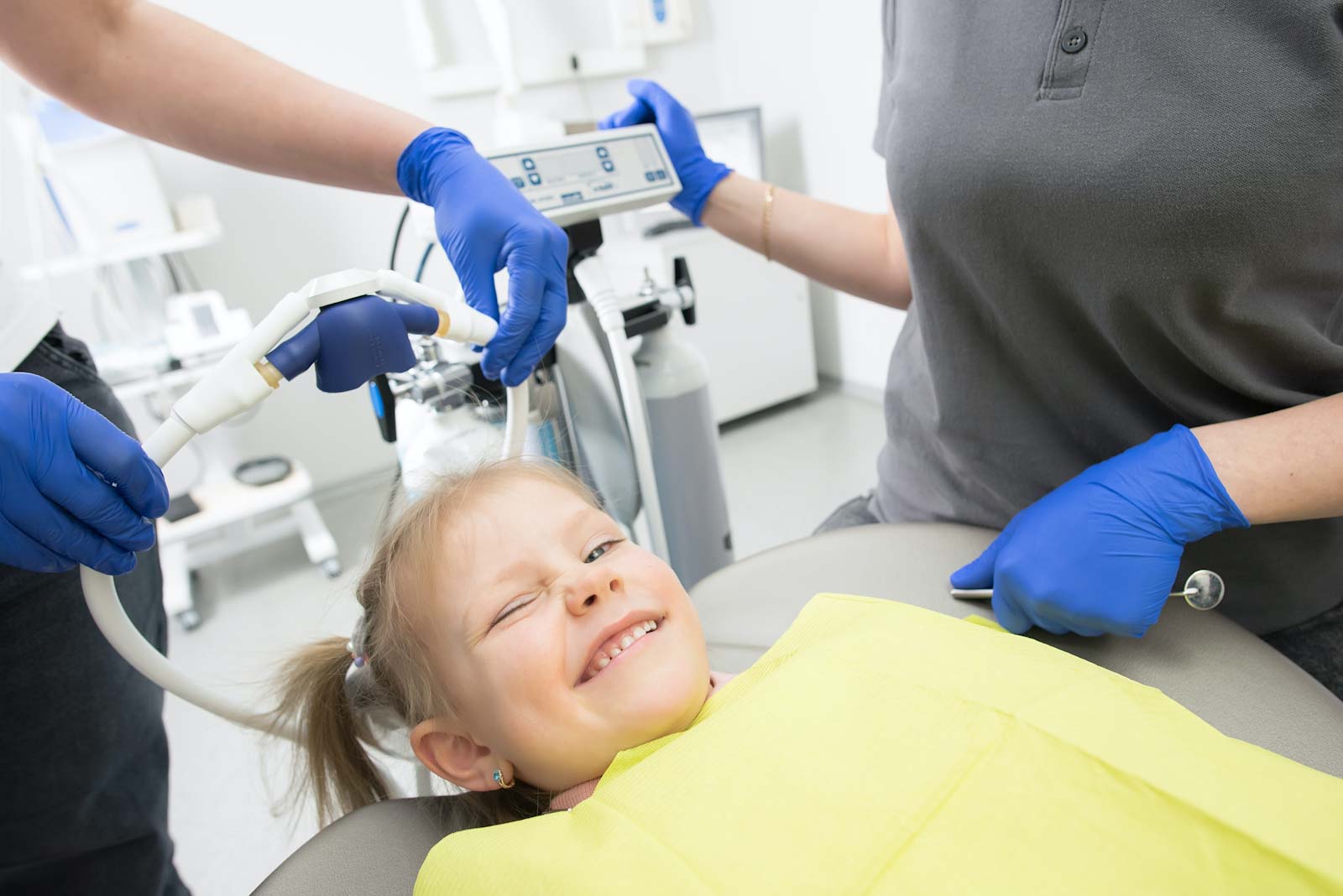
Why Oral Care for Children Matters
One of the most important things you will teach your children is how to care for their mouth. Oral care is a habit, and when it is learned in early childhood it becomes a great advantage and makes life much easier in later years. Tooth decay is one of the most common chronic diseases of childhood worldwide, yet it is almost entirely preventable.
Healthy baby teeth allow children to chew properly, speak clearly, smile confidently and hold space for the adult teeth. Pain and infection from decay can affect sleep, eating, concentration at school and self-esteem. Good oral care for children is therefore not only about teeth; it supports a child’s overall health and development.
Oral Care for Babies (0 to 12 Months)
For babies, oral care for children begins even before the first tooth appears. Wipe your baby’s gums gently with a clean, damp cloth or gauze after feeds, especially before bedtime. This removes milk residue and gets your baby used to having their mouth cleaned.
The first tooth usually appears at around six months. From that moment, brush twice a day with a soft infant toothbrush and a smear of fluoride toothpaste no bigger than a grain of rice. Avoid putting your baby to bed with a bottle of milk or juice, which is one of the main causes of baby bottle tooth decay. The first dental visit should take place by the first birthday or within six months of the first tooth.
Oral Care for Toddlers (1 to 3 Years)
As more teeth come through, brushing becomes an even more important part of oral care for children. Continue using a rice-grain-sized smear of fluoride toothpaste twice a day and brush every surface of every tooth for about two minutes. Toddlers often want to hold the brush themselves, which is a good sign, but an adult should always do the main brushing and let the child “finish off”.
This is also the age to move from a bottle to a cup, ideally by 12 to 18 months, and to establish regular meal and snack times. Constant sipping of milk or juice and frequent snacking expose the teeth to sugar throughout the day, so plain water between meals is the best choice. Good oral care for children at this stage sets the foundation for a lifetime of healthy teeth.
Oral Care for Preschool Children (3 to 6 Years)
For preschoolers, oral care for children changes slightly: from around the age of three, increase the toothpaste to a pea-sized amount. Encourage your child to spit out the excess without rinsing, so the fluoride continues to protect the teeth. Parents should still brush or closely supervise, because young children do not yet have the dexterity to reach every area.
Make oral care for children fun with songs, two-minute timers, colourful brushes or brushing together as a family. Praise and routine work far better than pressure. Once the back teeth touch each other, usually around this age, start cleaning between them with floss or floss picks.

Oral Care for School-Age Children (6 to 12 Years)
In school-age oral care for children, one key moment is often missed: at around six, the first permanent molars erupt behind the baby teeth, often without parents noticing. These teeth are especially prone to decay because of their deep grooves. Dental sealants, a thin protective coating painted into the grooves, can greatly reduce the risk. Ask your dentist whether sealants are suitable for your child.
With good oral care for children at home, children usually become able to brush effectively on their own at around seven or eight years old, but parents should continue to check their technique. This is also the recommended age for a first orthodontic assessment, so that problems with jaw growth or crowding can be detected early. If your child plays contact sports, a custom mouthguard protects the teeth from injury.
Oral Care for Teenagers
Teenagers face new challenges in oral care for children: hormonal changes can make the gums more sensitive, many wear braces, and diets often include more sugary snacks and soft drinks. Encourage twice-daily brushing, daily flossing or interdental brushes, and regular check-ups. Teenagers with braces need extra care to clean around the brackets and avoid white spots; our guide to orthodontic prices in Turkey also explains how to care for teeth during treatment. Discourage smoking and vaping, which damage the gums and stain the teeth.
How to Brush Correctly
Brushing is the most important part of oral care for children, and the technique matters as much as the frequency:
- Use a soft toothbrush with a small head suitable for your child’s age.
- Apply the right amount of fluoride toothpaste: a rice-grain smear under three years, a pea-sized amount from three to six years.
- Hold the brush at a 45-degree angle to the gum line and use small, gentle circular movements.
- Brush the outer, inner and chewing surfaces of all teeth, and gently brush the tongue.
- Brush for two minutes, at least twice a day: in the morning and last thing at night.
- Spit out the toothpaste but do not rinse with water, so the fluoride keeps working.
- Replace the toothbrush every three months or when the bristles become frayed.
Be careful that young children do not swallow toothpaste. Because small children may not understand what toothpaste is, use only the recommended amount and supervise brushing closely. Brushing too hard does not clean better; gentle movements with a soft brush protect both the enamel and the gums.
Nutrition and Children’s Teeth
Another key point in oral care for children is limiting junk food. Frequent consumption of sugar, chocolate, sweets, soft drinks and ice cream from an early age can damage the teeth and lead to decay and tooth loss. That is why nutrition should always be part of teaching children about oral health.
As we all know, children love sweets and chocolate, and there is no need to ban treats completely. What matters most is how often the teeth are exposed to sugar. Keep sweet foods to mealtimes rather than spreading them throughout the day, offer water instead of juice or soft drinks, and choose tooth-friendly snacks such as cheese, yoghurt, vegetables and fruit. Unhealthy teeth in early childhood can lead to problems in later years, so teaching good habits early is one of the best gifts you can give your child.
| Tooth-friendly choices | Limit to mealtimes |
| Water and plain milk | Juice, soft drinks and flavoured milk |
| Cheese and plain yoghurt | Sweets, chocolate and biscuits |
| Vegetables and whole fruit | Dried fruit and fruit snacks |
| Wholegrain bread and crackers | Sugary cereals and cakes |
The Role of Fluoride
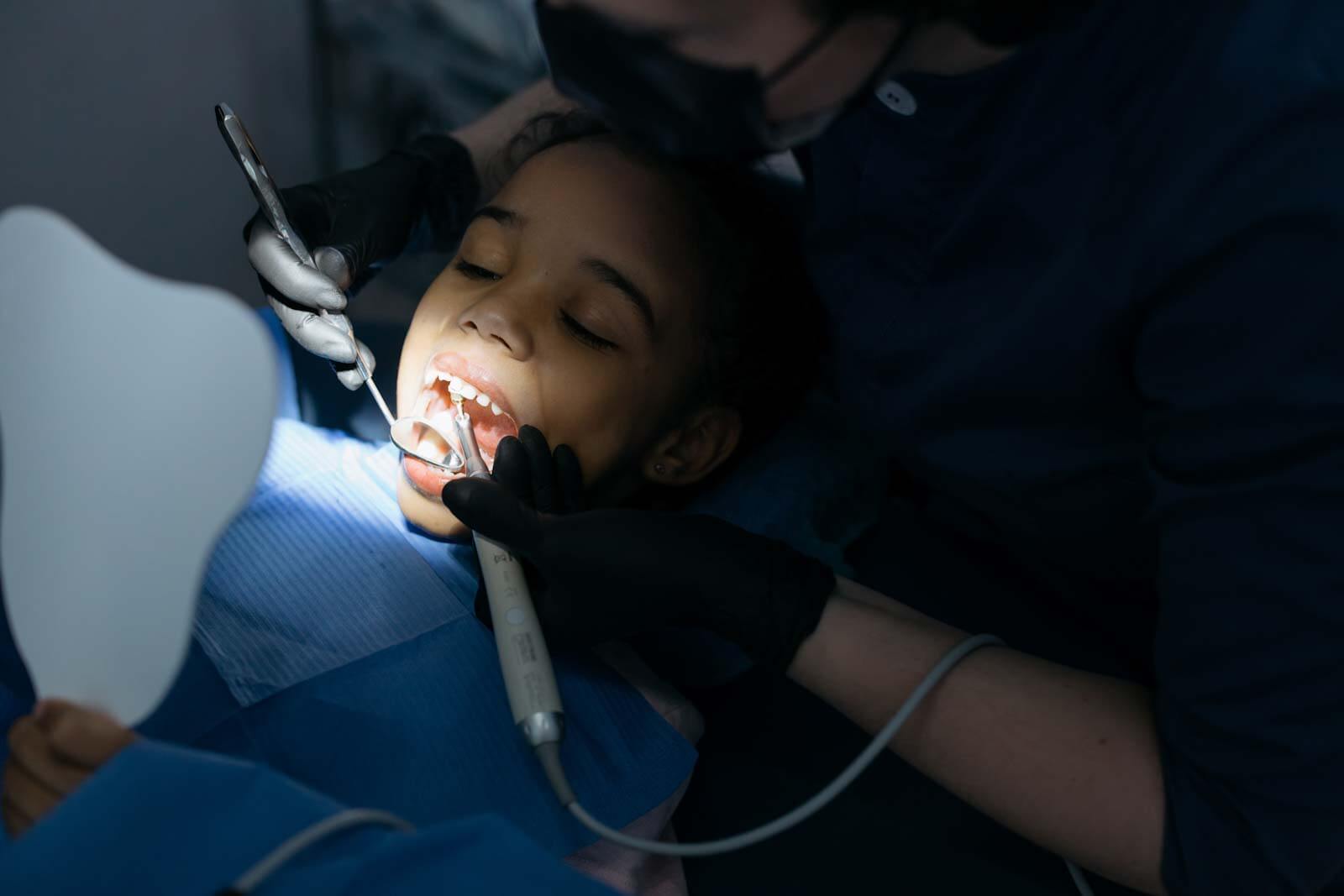
Fluoride is a cornerstone of oral care for children. It strengthens enamel and helps it resist the acids that cause decay. It can even repair the very earliest stages of a cavity. Using fluoride toothpaste in the correct amount is safe and is recommended by dental associations worldwide. For children at higher risk of decay, your dentist may apply a professional fluoride varnish a few times a year. Too much fluoride swallowed over time can cause white marks on the developing adult teeth (fluorosis), which is why the recommended toothpaste amounts are important.
When Should Children Visit the Dentist?
Regular check-ups are central to oral care for children. The first visit should be around the first birthday. After that, check-ups every six months allow the dentist to monitor development, apply preventive treatments and catch problems early, when they are easiest to treat. Positive early visits also help children see the dentist as a friendly place rather than something to fear.
At a check-up, the dentist examines the teeth and gums, checks bite and jaw development, assesses the risk of decay, cleans the teeth if needed and gives personalised advice on brushing, diet and habits such as thumb sucking or dummy use. These visits are an essential part of oral care for children.
Common Dental Problems in Children
- Tooth decay: the most common problem that oral care for children aims to prevent, caused by sugar, bacteria and insufficient cleaning.
- Gum inflammation: red, bleeding gums caused by plaque; see our guide to the causes of bleeding gums.
- Tooth sensitivity: often linked to decay or enamel erosion from acidic drinks.
- Dental injuries: falls and sports accidents can chip or knock out teeth; see a dentist immediately.
- Crowding and bite problems: often inherited and best assessed early.
- Thumb sucking and dummy habits: usually harmless in the early years but can affect the bite if they continue beyond about age four.
Dental Emergencies in Children: What to Do
Accidents happen, and knowing what to do can save a tooth. Emergency first aid is an important but often forgotten part of oral care for children.
- Knocked-out adult tooth: hold it by the crown, not the root, rinse briefly if dirty and try to place it back in the socket. If that is not possible, keep it in milk and see a dentist within 30 to 60 minutes.
- Knocked-out baby tooth: do not put it back, as this can damage the adult tooth underneath; see a dentist to check for other injuries.
- Chipped or broken tooth: save any fragments, rinse the mouth with water and contact your dentist the same day.
- Toothache: rinse with warm water, gently floss to remove trapped food and give age-appropriate pain relief; book an appointment promptly.
- Swelling of the face or gums: this may indicate infection and needs urgent attention, especially if accompanied by fever.
Helping Children Who Are Afraid of the Dentist
Dental anxiety often begins in childhood, but it can be prevented with the right approach. Positive experiences are a key goal of oral care for children, because children who feel safe at the dentist are far more likely to keep up regular visits as adults.
- Start early: a first visit before any problems develop lets children get to know the dentist in a relaxed way.
- Use positive language: avoid words like “pain”, “needle” or “hurt”; let the dentist explain things in child-friendly terms.
- Read books or play pretend: role-playing a dental visit with toys makes the experience familiar.
- Stay calm yourself: children pick up on parents’ anxiety, so try not to share your own fears.
- Reward bravery: praise and small non-sugary rewards make the visit something to look forward to.
Paediatric dentists use techniques such as “tell, show, do”, explaining and demonstrating each step before it happens, to build trust and confidence.
Thumb Sucking and Dummies
Sucking a thumb or dummy is a natural comfort habit for babies and toddlers and is usually harmless in the early years. However, if the habit continues beyond about the age of four, when the adult teeth are preparing to come through, it can push the front teeth forward and affect the bite. Gentle encouragement, praise and replacing the habit with other comfort strategies usually work best. Your dentist can give age-appropriate advice as part of your child’s routine care.
Oral Care for Children With Special Needs
Children with physical, sensory or developmental conditions may find brushing and dental visits more challenging, and some medicines can increase the risk of decay. Adapted toothbrushes, electric brushes, visual schedules and a calm, predictable routine can make daily oral care for children easier. Let the dental team know about your child’s needs in advance, so they can plan a longer appointment, a quieter time of day or other adjustments to help your child feel comfortable.
7 Proven Tips for Healthy Children’s Teeth
- Start cleaning your baby’s gums before the first tooth appears.
- Brush twice a day with the right amount of fluoride toothpaste.
- Never put a child to bed with a bottle of milk or juice.
- Offer water between meals and keep sweets to mealtimes.
- Start flossing when the teeth touch each other.
- Book the first dental visit by the first birthday and continue every six months.
- Set a good example by brushing and visiting the dentist yourself.
Oral Care for Children: Quick Age Checklist
Use this summary as a simple reminder of the most important steps in oral care for children at each stage:
| Age | Key steps |
| 0 to 6 months | Wipe gums after feeds; avoid bedtime bottles |
| 6 to 12 months | Brush the first teeth twice a day with a rice-grain smear of fluoride toothpaste; first dental visit by age one |
| 1 to 3 years | Move from bottle to cup; parents brush for two minutes twice a day |
| 3 to 6 years | Pea-sized toothpaste; start flossing where teeth touch; make brushing fun |
| 6 to 12 years | Consider sealants on new molars; orthodontic check around age seven; mouthguard for sports |
| Teenagers | Independent brushing and flossing; extra care with braces; avoid smoking and vaping |
Following this checklist makes oral care for children simple and consistent, and it helps you know what to focus on as your child grows.
Frequently Asked Questions About Oral Care for Children
When should I start brushing my baby’s teeth?
As soon as the first tooth appears, usually around six months, using a soft infant brush and a rice-grain-sized smear of fluoride toothpaste.
How much toothpaste should children use?
A rice-grain-sized smear under the age of three and a pea-sized amount from three to six years. Children should spit out the excess without rinsing.
At what age can children brush on their own?
Most children can brush effectively on their own from around seven or eight years old, but parents should continue to check their technique.
Are baby teeth really that important?
Yes. They are needed for chewing, speech and confidence, and they hold space for the adult teeth. Infection in baby teeth can also damage the developing permanent teeth.
How can I make brushing fun?
Use songs, timers, reward charts and colourful brushes, and brush together as a family so it becomes a normal, enjoyable routine.
Conclusion
Good oral care for children begins with the very first tooth and grows with your child. Gentle daily brushing with fluoride toothpaste, healthy eating habits and regular dental visits are the keys to a lifetime of healthy smiles. At Akdiş Clinic in Başakşehir, Istanbul, we provide every dental treatment children need in a friendly, comfortable environment. To book a check-up for your child, contact us through our contact page. Take good care of your teeth with Akdiş.