

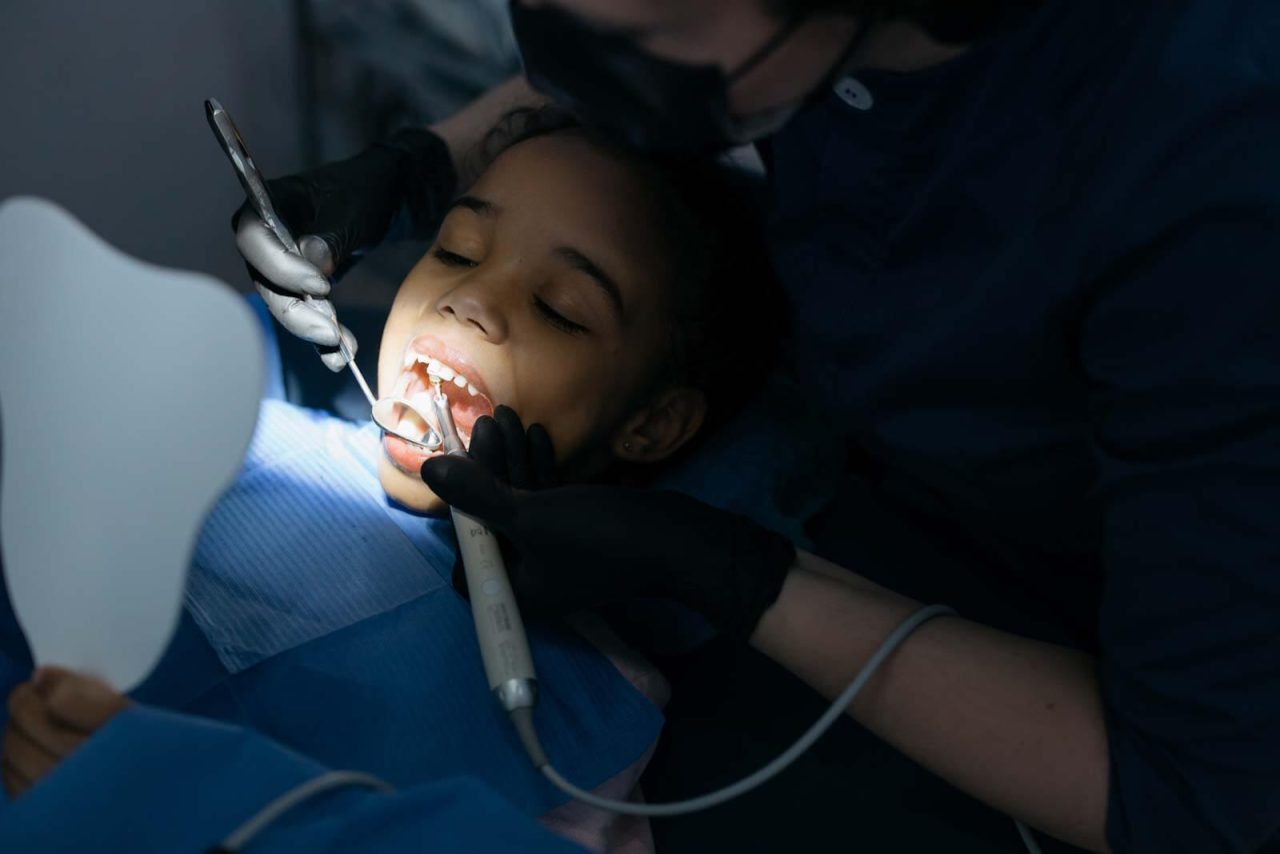
What is baby bottle tooth decay? It is one of the questions parents and parents-to-be ask most often. The teeth of children under six are especially vulnerable to many foods and drinks, which makes them prone to decay and staining. Decay in this age group is often called baby bottle tooth decay, also known as early childhood caries or nursing caries. The most important thing to know is that it can be prevented. With a few simple steps, parents can protect their child’s smile from the very first tooth.
In this guide we explain what causes baby bottle tooth decay, how to recognise the early signs, how it is treated and, above all, practical tips to prevent it. The advice follows international paediatric dental recommendations and is relevant to families in the United States, the United Kingdom and everywhere else.
What Is Baby Bottle Tooth Decay?
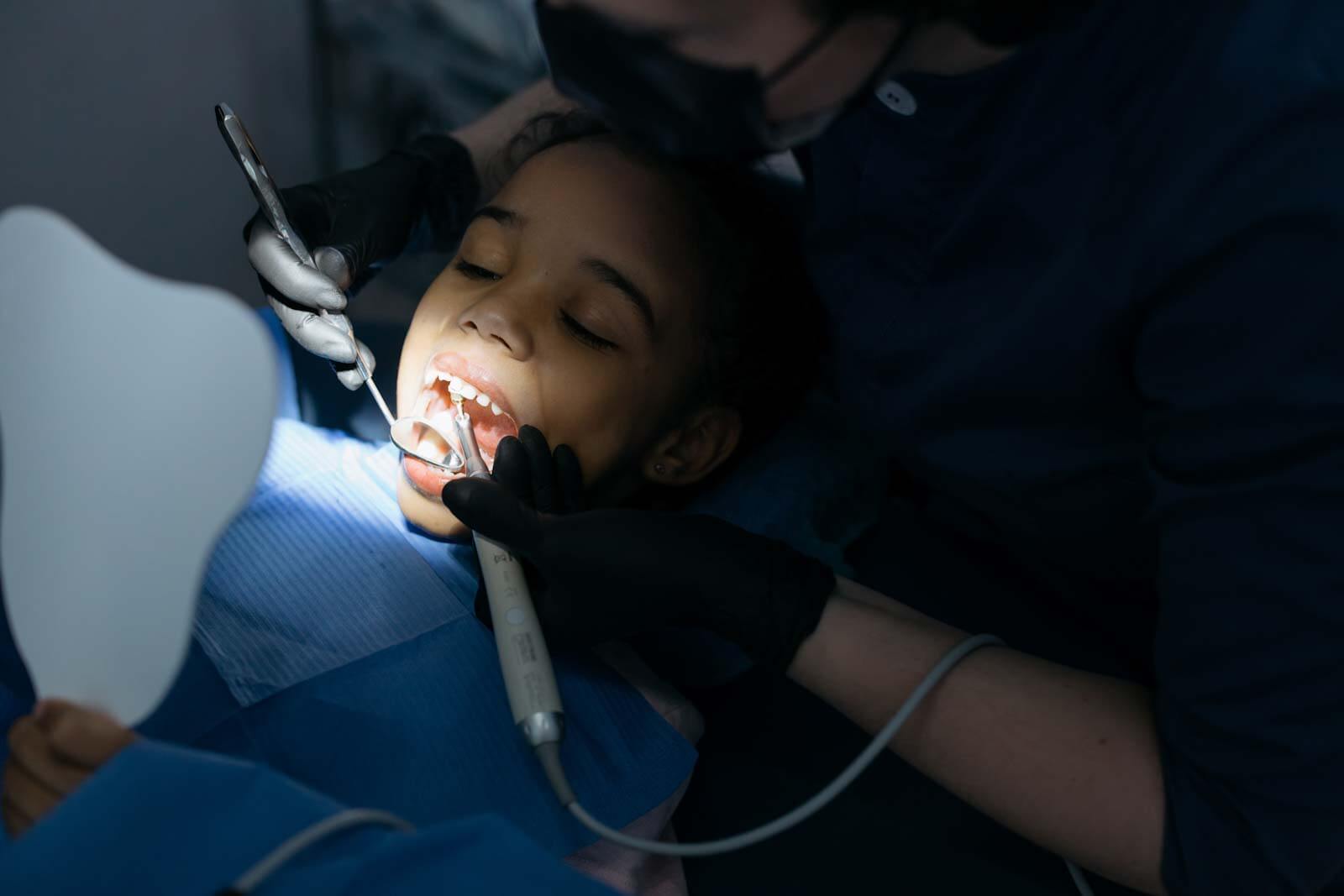
Baby bottle tooth decay is a pattern of cavities in babies and toddlers, usually affecting the upper front teeth first. It is medically known as early childhood caries. It gets its name because it is closely linked to frequent, prolonged exposure to milk, formula, juice or other sweet drinks from a bottle, especially at bedtime or during the night.
Baby teeth have thinner enamel than adult teeth, so decay can spread very quickly. What begins as a chalky white line near the gum can turn into brown cavities within months. Although baby teeth eventually fall out, they are essential for eating, speaking, smiling with confidence and holding space for the adult teeth, so protecting them really matters.
What Causes Baby Bottle Tooth Decay?
To prevent baby bottle tooth decay, it is important to understand the factors behind it. Several different factors contribute to tooth decay, and they can be summarised as follows:
- Frequent sugary food and drinks: this is the most decisive factor. Children who are regularly exposed to sugary foods and drinks commonly develop decay.
- Prolonged bottle use: long periods with a bottle, particularly falling asleep with a bottle of milk, formula or juice, bathe the teeth in sugar for hours.
- Bacteria passed through saliva: decay-causing bacteria can be transmitted from parent to child, for example by sharing spoons or cleaning a dummy in the mouth.
- Lack of fluoride: insufficient fluoride leaves enamel less resistant to acid attacks.
- Poor cleaning: not wiping the gums or brushing the first teeth allows plaque to build up.
- Reduced saliva at night: saliva flow drops during sleep, so sugars stay on the teeth longer.
These are the main factors behind baby bottle tooth decay. Parents who pay attention to them can prevent decay in their children.
Is Breast Milk a Cause?
Breast milk is the best nutrition for babies and is not a reason to stop breastfeeding. However, like any milk, it contains natural sugars. Frequent night feeding after teeth have come through, without any cleaning, can contribute to decay in some children, particularly when combined with other sugary foods. Wiping the teeth gently after feeds and starting a brushing routine as soon as the first tooth appears helps protect them.
Early Signs to Watch For
Baby bottle tooth decay develops in stages, and catching it early makes treatment much simpler:
- White spots or lines along the gum line of the upper front teeth; the first sign of enamel losing minerals.
- Yellow or light brown areas where the enamel has started to break down.
- Brown or black cavities that may spread around the teeth.
- Sensitivity or pain when eating or drinking, or refusing food.
- Swelling, fever or irritability in advanced cases where infection has developed.
Lift your child’s upper lip once a month and look at the teeth near the gums in good light. If you notice any of these signs, book a dental visit.
How Is Baby Bottle Tooth Decay Treated?
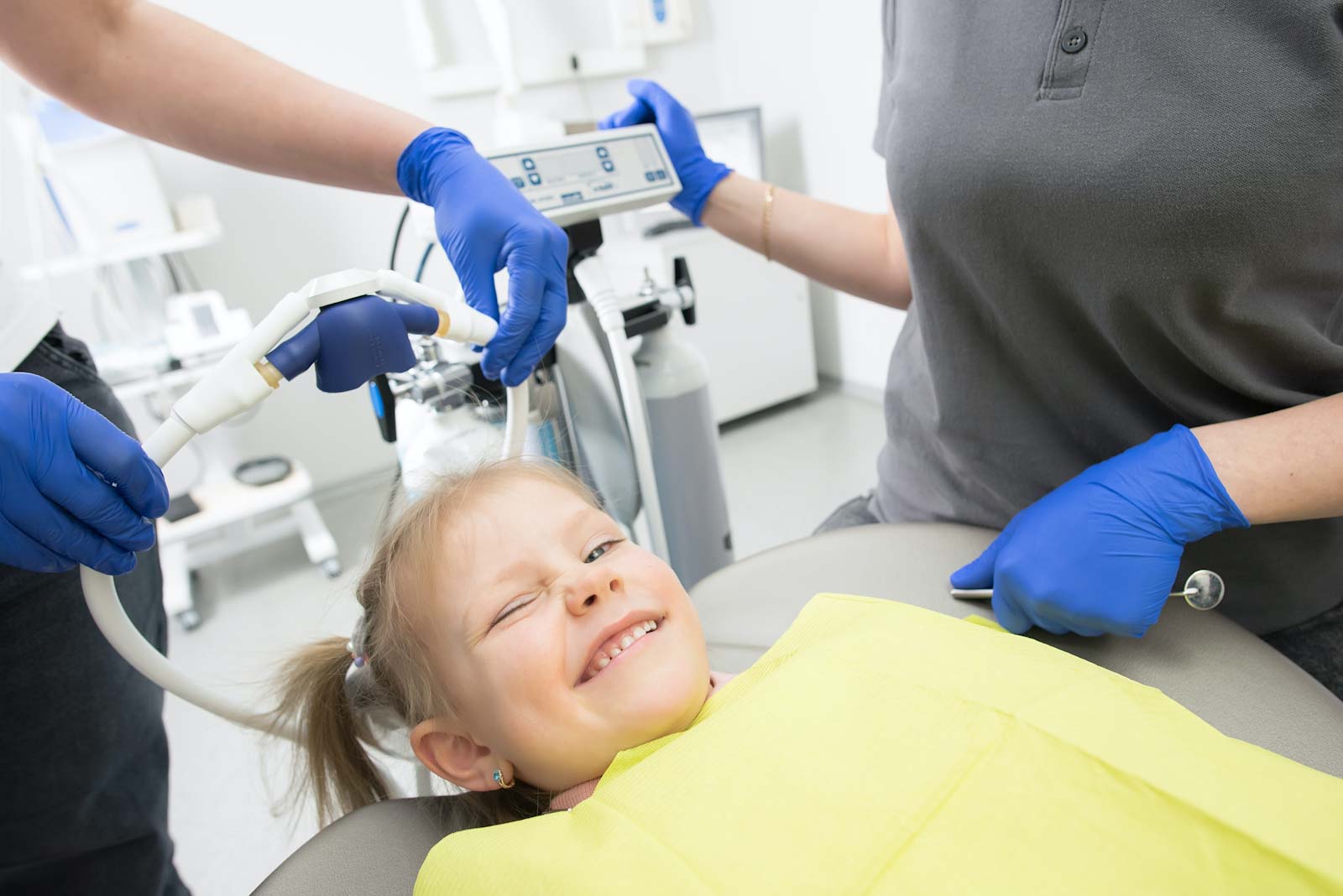
Baby bottle tooth decay can be treated. It is an important issue, and treatment should always be carried out under the supervision of a dentist, ideally a paediatric dentist. The dentist cleans the decay from the teeth, but how early the problem is noticed makes a big difference. When diagnosed early, the decay can be treated easily. When treatment is delayed, teeth may need to be extracted.
Depending on the stage, treatment options include:
- Fluoride varnish: in the very earliest stage, white spots can sometimes be reversed with professional fluoride applications and better home care.
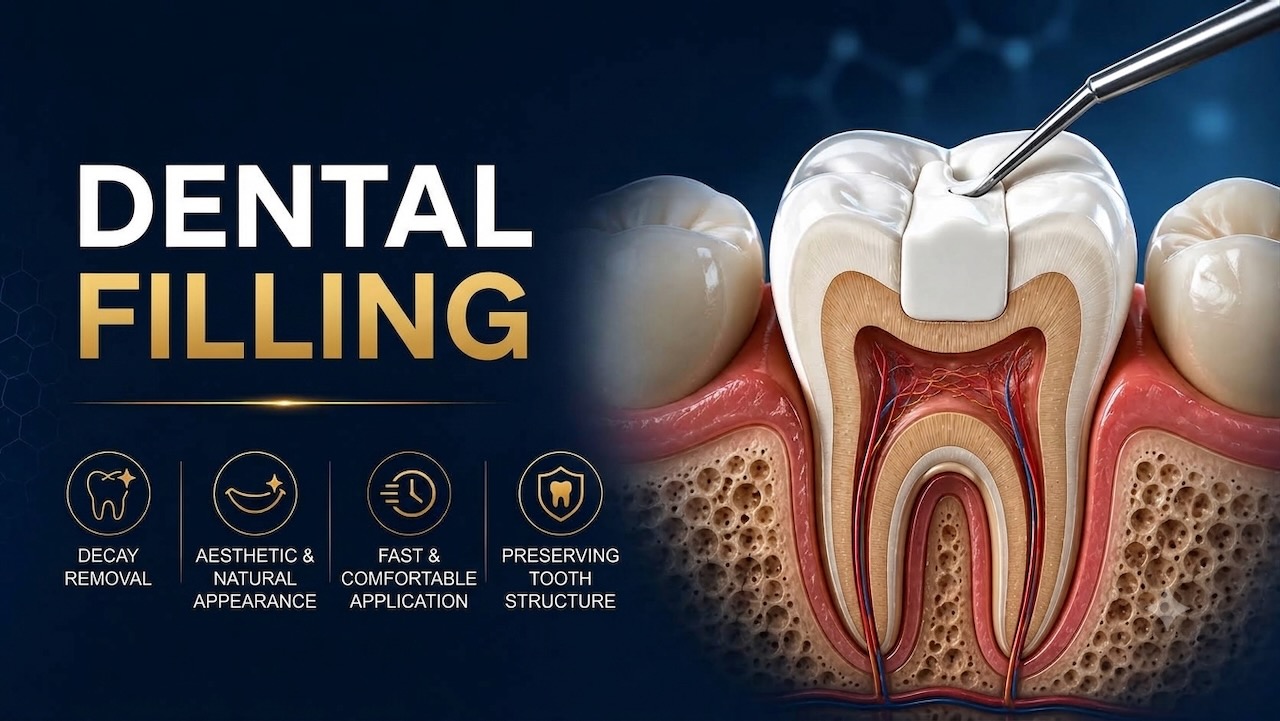
- Fillings: small cavities are cleaned and filled with tooth-coloured materials. See our dental filling page.
- Pulp treatment: when decay reaches the nerve of a baby tooth, a pulpotomy (a “baby root canal”) can save it.
- Crowns: badly damaged teeth can be covered with paediatric crowns to protect them until they fall out naturally.
- Extraction and space maintainers: if a tooth cannot be saved, it is removed and a space maintainer may be used to keep room for the adult tooth.
Treatment is usually not long. Treatment of baby bottle tooth decay is often completed in about two or three sessions. During treatment, sugary foods should be paused and ideally avoided completely. Poor oral health has a negative effect on children’s development, so treating decay supports their overall growth, confidence and wellbeing.
Making Dental Visits Comfortable for Young Children
Children’s dentists use gentle, child-friendly techniques such as “tell, show, do”, where each step is explained and demonstrated before it happens. For very young or anxious children with extensive decay, treatment may be carried out under sedation or general anaesthesia in a safe clinical setting. A calm, positive first experience helps children develop a lifelong healthy attitude towards dental care.
10 Proven Tips to Prevent Baby Bottle Tooth Decay
- Do not put your baby to bed with a bottle of milk, formula or juice. If a bottle is needed, fill it with plain water.
- Wipe your baby’s gums with a clean, damp cloth after feeds, even before teeth appear.
- Start brushing with the first tooth, twice a day, using a soft baby toothbrush and a smear of fluoride toothpaste the size of a grain of rice.
- Increase to a pea-sized amount of fluoride toothpaste from around age three.
- Introduce a cup from around six months and aim to stop bottle use by 12 to 18 months.
- Avoid juice in bottles; if you give juice, dilute it and serve it in a cup with meals.
- Limit sugary snacks and drinks, and keep sweet foods to mealtimes rather than grazing throughout the day.
- Do not share spoons or clean dummies in your mouth, to avoid passing on decay-causing bacteria.
- Never dip a dummy in honey, syrup or sugar.
- Book the first dental visit by the first birthday or within six months of the first tooth.
Following these tips consistently is the most effective way to prevent baby bottle tooth decay. Healthy habits formed early usually last a lifetime.
How to Brush a Baby’s and Toddler’s Teeth
Brushing a wriggly toddler can be a challenge, but good technique makes it quicker and more effective, and it is the single most important step in preventing baby bottle tooth decay.
- Find a comfortable position: sit on the floor or a sofa with your child’s head resting in your lap, facing up, so you can see all the teeth.
- Use the right tools: a small, soft toothbrush designed for your child’s age and the correct amount of fluoride toothpaste.
- Lift the lip: gently lift the upper lip to brush along the gum line of the front teeth, where decay often starts.
- Use small circles: brush every surface of every tooth for about two minutes.
- Spit, do not rinse: encourage older toddlers to spit out excess toothpaste without rinsing, so the fluoride keeps working.
- Make it fun: songs, timers and letting your child “brush your teeth” afterwards help build a positive routine.
Parents should brush or supervise brushing until children are about seven or eight years old, as younger children do not yet have the dexterity to clean every surface properly.
Remember that you are your child’s most important role model. Children who see their parents brushing, flossing and visiting the dentist regularly are much more likely to adopt the same habits. Brushing together as a family, morning and evening, turns oral care into a normal part of the day rather than a battle.
Weaning From the Bottle: A Step-by-Step Approach
Stopping bottle use can feel difficult, especially if the bottle is part of the bedtime routine. A gradual approach usually works best:
- Start with daytime bottles: offer drinks in an open or free-flowing cup at meals from around six months.
- Change the bedtime routine: give milk earlier, before brushing, and replace the bottle in bed with a book, a song or a comfort toy.
- Switch to water: if your child still wants a bottle at night, gradually dilute the milk until it is plain water.
- Reduce the amount: offer a little less in the bottle each night over one to two weeks.
- Be consistent and patient: most children adapt within a couple of weeks once the new routine is established.
Breaking the habit of falling asleep with a bottle is one of the most effective ways to prevent baby bottle tooth decay, and it also supports healthy sleep and eating habits.
Tooth-Friendly Drinks and Snacks for Toddlers
| Choose more often | Limit or keep to mealtimes |
| Plain water | Fruit juice and smoothies |
| Plain milk (in a cup) | Flavoured milk and sweetened yoghurt drinks |
| Cheese, plain yoghurt | Biscuits, cakes and sweets |
| Vegetable sticks, bread, rice cakes | Dried fruit and fruit snacks |
| Fresh fruit pieces with meals | Honey, syrups and sugary cereals |
It is not only the amount of sugar that matters but how often teeth are exposed to it. Constant sipping and snacking give the teeth no time to recover between acid attacks, so try to keep to regular meals and a few planned snacks each day.
Teething or Tooth Decay?
Teething can cause drooling, chewing on objects, mild irritability and red, swollen gums where a tooth is coming through. It does not cause discoloured teeth, visible holes or high fever. If you see white, yellow or brown areas on the teeth, or your child has pain when eating after the teeth have come through, this is more likely to be baby bottle tooth decay than teething and should be checked by a dentist.
Children at Higher Risk
Some children are more likely to develop decay and may need extra preventive care, including those who:
- Were born prematurely or with low birth weight, which can affect enamel development.
- Take sweetened liquid medicines regularly.
- Have special healthcare needs that make brushing difficult.
- Have older siblings or parents with a history of decay.
- Frequently snack or drink sweet drinks between meals.
For these children, dentists often recommend more frequent check-ups, professional fluoride varnish and, for older children, protective sealants on the back teeth to reduce the risk of baby bottle tooth decay and later cavities.
The Role of Fluoride
Fluoride strengthens enamel and makes it more resistant to the acids produced by bacteria. It can even help repair the earliest stages of decay. Using the right amount of fluoride toothpaste for your child’s age is safe and highly effective. Your dentist may also recommend professional fluoride varnish two to four times a year for children at higher risk. Ask your dentist whether your local water supply is fluoridated and whether any additional fluoride is recommended.
Why Baby Teeth Matter
Some parents wonder why baby teeth need treatment if they will fall out anyway. In fact, baby teeth play several vital roles:
- They allow children to chew properly and get good nutrition.
- They help with clear speech development.
- They hold space for the adult teeth; early loss can cause crowding later.
- Infection in baby teeth can spread and damage the developing adult teeth underneath.
- Healthy teeth support confidence and social development.
Some back baby teeth stay in the mouth until around age 12, so protecting them from baby bottle tooth decay and later decay is important throughout childhood.

Common Myths About Baby Teeth
- “Baby teeth do not matter because they fall out.” Baby teeth guide the adult teeth into place and are needed for eating and speaking for many years. Untreated baby bottle tooth decay can cause pain, infection and problems for the adult teeth.
- “Only sweets cause cavities.” Milk, formula, juice, crackers and many “healthy” snacks also contain sugars that bacteria turn into acid.
- “Children should not use fluoride toothpaste.” Using the correct, small amount of fluoride toothpaste from the first tooth is recommended by dental associations worldwide.
- “A dental visit is not needed until age three.” The first visit should be around the first birthday, when prevention is easiest and baby bottle tooth decay can be detected at its earliest stage.
- “Cavities in babies are inherited, so nothing can be done.” While risk can run in families, decay is driven by diet, bacteria and cleaning habits, all of which parents can influence.
Understanding these facts helps parents make confident choices. Small daily habits, such as a cup instead of a bedtime bottle and two minutes of brushing morning and night, are what protect children from baby bottle tooth decay in the long run.
When Should Your Child First See a Dentist?
International paediatric dental associations recommend a first dental visit by the age of one, or within six months of the first tooth appearing. This early visit is usually short and friendly. The dentist checks the teeth and gums, assesses the risk of decay, shows you how to clean your child’s teeth and gives advice on feeding, fluoride and habits such as thumb sucking. Regular check-ups every six months after that allow problems to be caught early, when they are easiest to treat.
Frequently Asked Questions About Baby Bottle Tooth Decay
At what age can baby bottle tooth decay start?
It can start as soon as the first teeth appear, usually around six months, and is most common between one and three years of age.
Can baby bottle tooth decay be reversed?
The very earliest stage, white spots, can sometimes be reversed with fluoride and better cleaning. Once a cavity has formed, it needs to be treated by a dentist.
Is it safe to use fluoride toothpaste for babies?
Yes, in the right amount: a smear the size of a grain of rice for children under three and a pea-sized amount from three to six years.
Should I stop night feeding?
Talk to your paediatrician or dentist. If night feeds continue after teeth appear, wipe or brush the teeth afterwards and avoid adding sweet drinks.
Does baby bottle tooth decay affect adult teeth?
It can. Infection in baby teeth may damage the developing adult teeth, and early loss of baby teeth can cause crowding.
Conclusion
Baby bottle tooth decay is common, but it is almost entirely preventable. Avoiding bedtime bottles, limiting sugar, brushing from the first tooth with fluoride toothpaste and visiting the dentist early are the keys to a healthy start. At Akdiş Clinic in Başakşehir, Istanbul, we use the most suitable treatment methods for children’s oral health, helping them grow up with confidence. To book a visit for your child, contact us through our contact page.
One thought on “Baby Bottle Tooth Decay: Causes, Treatment and 10 Proven Prevention Tips for Happy, Healthy Smiles (2026)”