


Noticing a little pink in the sink after brushing is one of the most common reasons people contact a dentist. Understanding the causes of bleeding gums is the first step towards stopping the problem, because bleeding is rarely “normal”: healthy gums do not bleed during gentle brushing or flossing. In most cases the cause is simple and treatable, but occasionally bleeding is a sign of a wider health issue that deserves attention.
In this guide we explain the most common causes of bleeding gums, when you should be concerned, how dentists diagnose and treat the problem and what you can do at home to keep your gums healthy. The information is relevant wherever you live, whether in the United States, the United Kingdom or elsewhere.

What Causes Bleeding Gums?
One of the most frequently asked questions is simply: “Why do my gums bleed?” There are several possible reasons, and often more than one of the causes of bleeding gums is involved. The main causes of bleeding gums include:
- Brushing too hard or with a hard-bristled toothbrush
- Incorrect use of dental floss
- Ill-fitting or incorrectly used dentures and appliances
- Plaque build-up along the gum line
- Poor nutrition, especially a lack of vitamin C and vitamin K
- Blood-thinning medication and some heart conditions
- Diabetes
- Smoking
- Hormonal changes, such as during pregnancy
These are the most important factors behind bleeding gums. Among the causes of bleeding gums, brushing mistakes are the easiest to correct, but persistent bleeding reduces quality of life and usually needs professional help. Let us look at each cause in more detail.
1. Plaque and Gingivitis
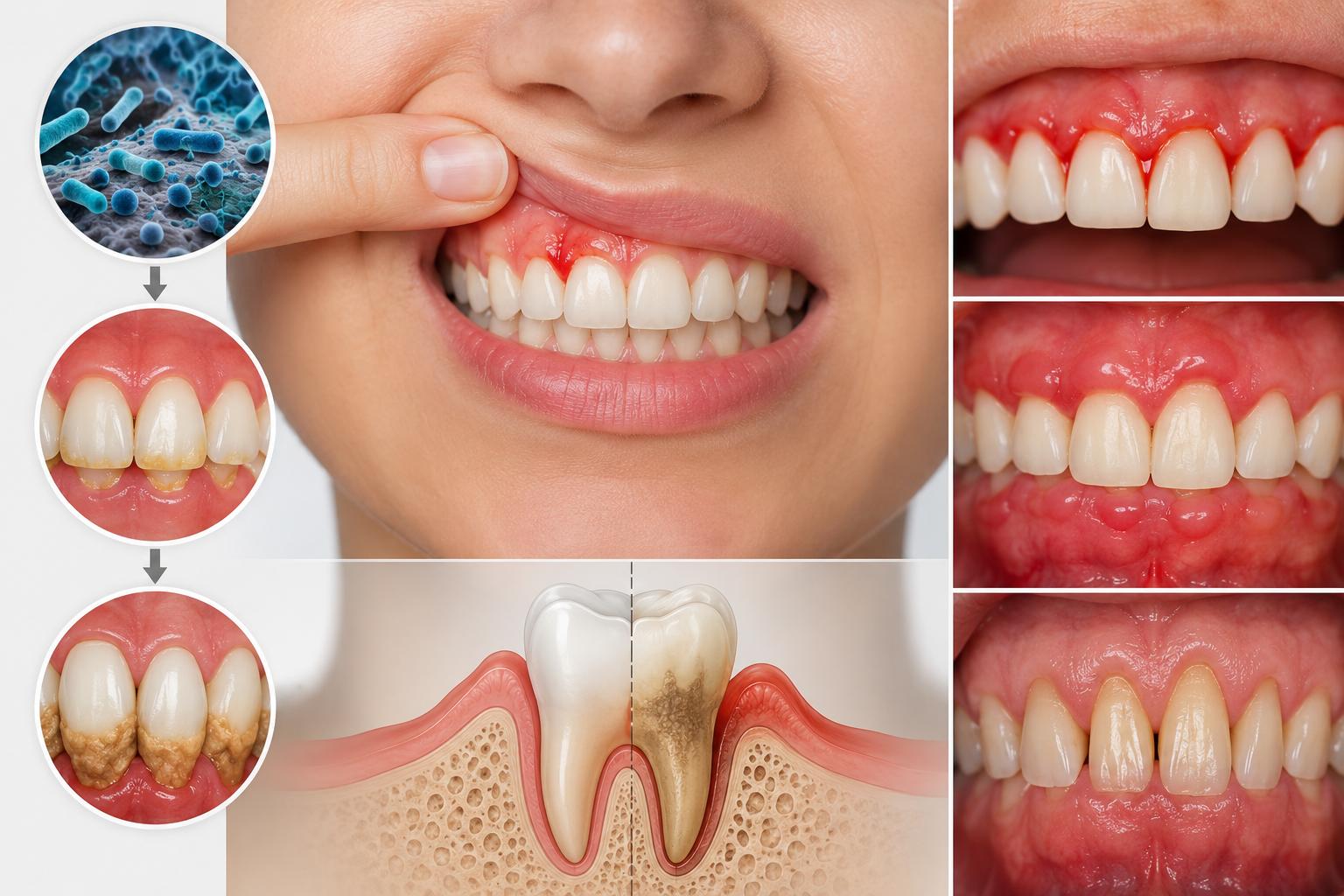
By far the most common of all causes of bleeding gums is plaque, a sticky film of bacteria that forms on the teeth every day. If it is not removed thoroughly, the bacteria irritate the gums and cause gingivitis, the earliest stage of gum disease. The gums become red, swollen and bleed easily. The good news is that gingivitis is completely reversible with professional cleaning and good home care.
If plaque stays on the teeth, it hardens into tartar (calculus), which cannot be removed with a toothbrush. Tartar provides a rough surface where even more bacteria can collect, and the inflammation can spread below the gum line. At this stage, the disease may progress to periodontitis, which destroys the bone that supports the teeth.
2. Brushing Too Hard
Many people believe that scrubbing harder cleans better. In reality, aggressive brushing with a hard toothbrush can injure the delicate gum tissue, cause bleeding and, over time, lead to gum recession. Use a soft-bristled brush, hold it at a 45-degree angle to the gum line and use gentle circular movements. An electric toothbrush with a pressure sensor can also help.
3. Incorrect Flossing
Flossing is essential, but snapping the floss down between the teeth can cut the gums. When you start flossing after a long break, some bleeding in the first week is common, because the gums are already inflamed. If you floss gently every day, this bleeding usually stops within one to two weeks. If it does not, it is one of the causes of bleeding gums that should be checked by a dentist.
4. Dentures and Dental Appliances
Among the mechanical causes of bleeding gums, dentures, partial dentures or orthodontic appliances that do not fit properly can rub against the gums and cause sore spots and bleeding. Overhanging fillings and poorly fitting crowns can also trap plaque at the gum line. These problems are easily corrected by adjusting or replacing the restoration.
5. Nutritional Deficiencies
Diet is one of the causes of bleeding gums people rarely consider. Vitamin C is essential for healthy collagen in the gums, and a severe deficiency (scurvy) causes swollen, bleeding gums. Vitamin K is needed for normal blood clotting. A balanced diet rich in fruit, vegetables and leafy greens supports gum health, while a diet high in sugar feeds the bacteria that cause inflammation.
6. Medication and Heart Conditions
Medication is one of the causes of bleeding gums that is often overlooked. Blood-thinning medications such as aspirin, warfarin and newer anticoagulants, often prescribed for heart conditions, make the gums bleed more easily. Some medicines for epilepsy, blood pressure and immune suppression can also cause gum overgrowth, which bleeds readily. Never stop prescribed medication on your own; instead, tell your dentist and doctor so they can plan your care safely.
7. Diabetes
Diabetes and gum disease have a two-way relationship. Poorly controlled blood sugar weakens the body’s ability to fight infection and slows healing, making gum disease more likely and more severe. In turn, untreated gum disease can make blood sugar harder to control. If you have diabetes, bleeding gums are a sign that you should see a dentist promptly.
8. Smoking
Smoking is one of the most significant causes of bleeding gums and gum disease in general. Interestingly, smokers may notice less bleeding because nicotine narrows the blood vessels, which can hide the disease while it progresses silently. Smokers lose bone faster and respond less well to treatment, so quitting is one of the best things you can do for your gums.
9. Hormonal Changes and Pregnancy
Hormones are among the causes of bleeding gums in women: changes during puberty, pregnancy and menopause make the gums react more strongly to plaque. “Pregnancy gingivitis” is very common and usually appears in the second trimester. Professional cleaning is safe during pregnancy and helps keep the gums healthy for both mother and baby.
Less Common but Important Causes
In rare cases, bleeding gums can be a sign of a blood disorder, such as a low platelet count or clotting problem, or of certain systemic illnesses. If your gums bleed heavily without an obvious reason, if bleeding is accompanied by unexplained bruising, tiredness or frequent infections, or if it does not improve after professional cleaning and good hygiene, your dentist may recommend blood tests and a visit to your doctor.
When Should You Worry About Bleeding Gums?
A little bleeding when you start flossing is common, but whatever the causes of bleeding gums in your case, you should see a dentist if:
- Your gums bleed regularly for more than a week or two.
- Your gums are red, swollen, tender or pulling away from the teeth.
- You have persistent bad breath or a bad taste in your mouth.
- Your teeth feel loose or your bite has changed.
- You notice pus between the teeth and gums.
- Bleeding is heavy, spontaneous or accompanied by other symptoms such as bruising.
Identifying the causes of bleeding gums early makes treatment much simpler. Gingivitis can be reversed in a few weeks, while advanced periodontitis may require deep cleaning or surgery.
How Are Bleeding Gums Diagnosed?
Your dentist will ask about your symptoms, medical history and medication, and then examine your gums. A small measuring instrument called a periodontal probe is used to measure the depth of the pockets around each tooth; healthy pockets are 1 to 3 mm deep, while deeper pockets indicate gum disease. X-rays show whether there is bone loss. Together, these findings reveal which of the causes of bleeding gums apply to you and how advanced the problem is.
What to Expect at Your Gum Check-up
If you book an appointment because of bleeding, the visit is usually quick and comfortable. The dentist or hygienist will review your medical history and medication, because some of the causes of bleeding gums are related to general health rather than your mouth. They will then look at the colour and shape of your gums, measure the pocket depths around each tooth and check for tartar, loose teeth and any areas where food gets trapped. X-rays may be taken to check the bone levels.
Once the examination is complete, you will receive a clear explanation of what is causing the problem and a plan to fix it. In many cases, a professional cleaning can be done in the same appointment, and you will be shown the best brushing and interdental cleaning technique for your mouth. A follow-up visit a few weeks later confirms that the gums have healed. If deeper pockets or bone loss are found, a more detailed periodontal treatment plan is prepared. Understanding the causes of bleeding gums in your own case makes it much easier to keep the problem from returning.
How Are Bleeding Gums Treated?
Once the reason for bleeding has been identified, the first step is regular, correct oral hygiene. Daily brushing alone is not always enough; regular check-ups help detect and prevent problems early. Because bleeding can be caused by disease or infection, your dentist may also recommend an antibacterial mouthwash for a short period.
Professional treatment is essential. When you follow the cleaning routine recommended by your dentist, who knows your teeth and oral health in detail, bleeding gums can be treated effectively, and with regular care the improvement is often visible within a short time. Depending on the stage, treatment may include:
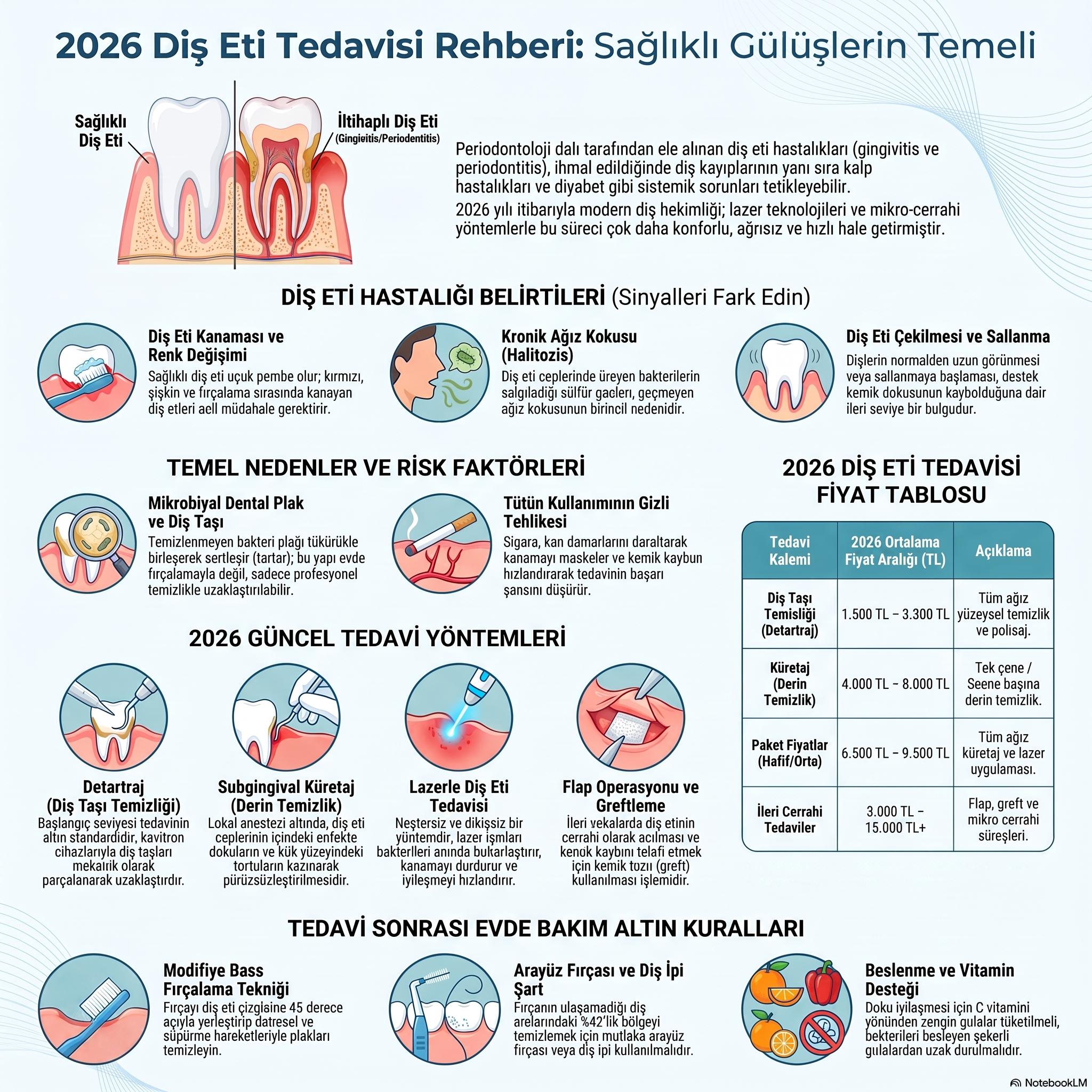
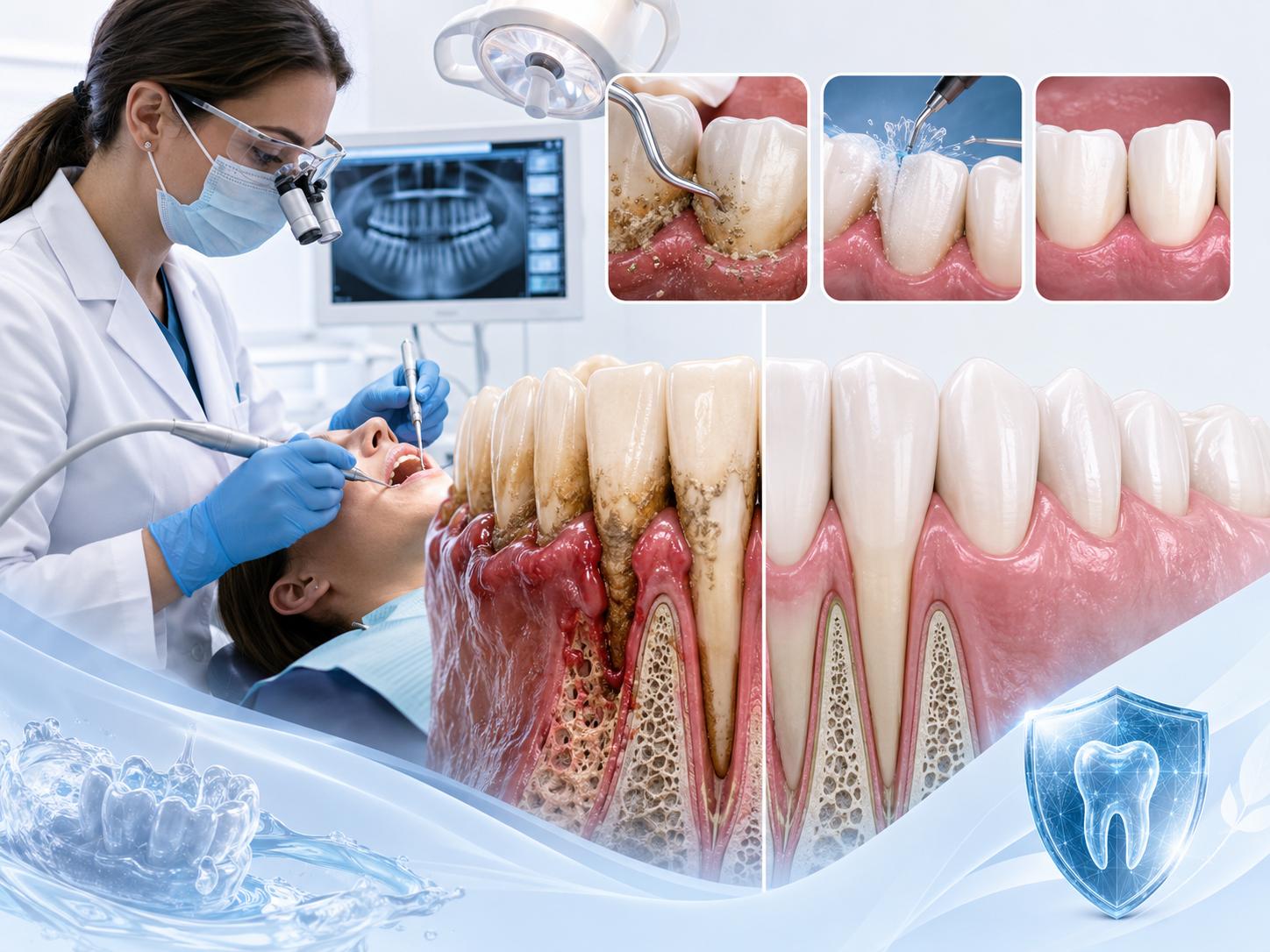
- Professional cleaning (scaling and polishing): removes plaque and tartar above and just below the gum line; often enough for gingivitis.
- Deep cleaning (scaling and root planing): cleans the root surfaces below the gum line under local anaesthesia for periodontitis.
- Laser therapy: disinfects gum pockets with minimal bleeding and faster healing.
- Correcting restorations: replacing overhanging fillings or poorly fitting crowns and dentures.
- Periodontal surgery: for advanced cases with deep pockets and bone loss.
For full details of methods and prices, read our guide to gum disease treatment in Turkey.
Bleeding Gums in Children and Teenagers
Children are not immune to gum problems. In young children, the most common causes of bleeding gums are plaque build-up because brushing is not thorough enough, and irritation when new teeth are coming through. In teenagers, hormonal changes during puberty make the gums more sensitive to plaque, and braces make cleaning more difficult. Parents should supervise brushing until children can do it properly on their own, usually around the age of seven or eight, and teenagers with braces should use interdental brushes and follow their orthodontist’s hygiene advice carefully.
Bleeding Gums After Dental Treatment
Some bleeding is expected after certain procedures, and it is not the same as the chronic causes of bleeding gums described above. After a deep cleaning, the gums may bleed slightly for a day or two as they begin to heal. After an extraction or implant surgery, light oozing for the first 24 hours is normal; biting gently on gauze usually stops it. After new crowns or veneers are fitted, the gums may be tender and bleed a little for a few days. If bleeding after treatment is heavy, continues beyond a couple of days or is accompanied by increasing pain or swelling, contact your dentist.
Common Myths About Bleeding Gums
- “A little bleeding is normal.” Healthy gums do not bleed. Regular bleeding is one of the clearest signs of inflammation and one of the most overlooked causes of bleeding gums going untreated.
- “If my gums bleed, I should brush less.” The opposite is true. Gentle, thorough cleaning removes the plaque that causes the bleeding.
- “Mouthwash alone will fix it.” Mouthwash can help, but it cannot remove plaque and tartar stuck to the teeth. Brushing, flossing and professional cleaning are essential.
- “It does not hurt, so it is not serious.” Gum disease is usually painless until it is advanced, which is why it is often called a silent disease.
- “Gum disease only affects older people.” Gingivitis can appear at any age, and many adults under 30 already have early signs.
The Link Between Gum Health and General Health
Research increasingly shows that gum health is connected to the rest of the body. The bacteria and inflammation associated with the causes of bleeding gums and gum disease have been linked with heart disease, diabetes complications, respiratory infections and pregnancy complications. While the exact relationships are still being studied, keeping your gums healthy is clearly part of looking after your overall wellbeing. Treating bleeding gums early is a small investment that protects not only your teeth but potentially your general health as well.
How to Stop Bleeding Gums at Home
Home care cannot remove tartar, but it plays a vital role in preventing and reversing early gum inflammation. Once the causes of bleeding gums have been addressed by your dentist, these habits help keep your gums healthy:
- Brush gently twice a day with a soft brush and fluoride toothpaste for two minutes, angling the bristles towards the gum line.
- Clean between your teeth daily with floss or interdental brushes, gently following the curve of each tooth.
- Do not stop brushing because of bleeding: bleeding is a sign of infection, and stopping allows it to progress.
- Rinse with warm salt water to soothe the gums temporarily.
- Eat a balanced diet rich in vitamin C, vitamin K and fibre, and cut down on sugary snacks and drinks.
- Stop smoking to improve blood flow and healing in the gums.
- Stay hydrated, as saliva helps wash away bacteria.
- Replace your toothbrush every three months or sooner if the bristles are frayed.
Preventing Bleeding Gums in the Long Term
Prevention is always easier than treating the causes of bleeding gums later. A professional cleaning every six months removes tartar before it causes inflammation, and regular check-ups allow early signs to be detected. If you have risk factors such as diabetes, pregnancy, smoking or a family history of gum disease, your dentist may recommend more frequent visits.
Healthy gums also matter before cosmetic or restorative treatment. Veneers, crowns and implants all require healthy gums to look good and last long. If you are planning treatment such as dental implants in Istanbul, your gums will always be checked and treated first.
Frequently Asked Questions About Bleeding Gums
Is it normal for gums to bleed when brushing?
No. Brushing too hard is one of the causes of bleeding gums, and occasional bleeding can happen, but regular bleeding is usually a sign of gingivitis and should be checked by a dentist.
Can bleeding gums go away on their own?
If plaque is one of the causes of bleeding gums in your case, mild gingivitis can improve with better brushing and flossing, but tartar must be removed professionally. If bleeding continues for more than two weeks, see a dentist.
Which vitamin deficiency causes bleeding gums?
A lack of vitamin C is the best-known nutritional cause, and vitamin K deficiency can affect blood clotting. A varied diet usually prevents both.
Should I stop flossing if my gums bleed?
No. Floss gently every day; bleeding caused by inflammation usually stops within one to two weeks as the gums become healthier.
Can bleeding gums be a sign of something serious?
Occasionally. Heavy, unexplained bleeding with bruising or fatigue can indicate a blood disorder or systemic illness, so ask your dentist and doctor to investigate.
Conclusion
Bleeding gums are a warning sign, not something to ignore. Most causes of bleeding gums are simple to treat when caught early: better brushing technique, daily interdental cleaning and professional care can restore healthy gums within weeks. If your gums bleed regularly, contact the team at Akdiş Clinic through our contact page for an examination and a personalised treatment plan.